
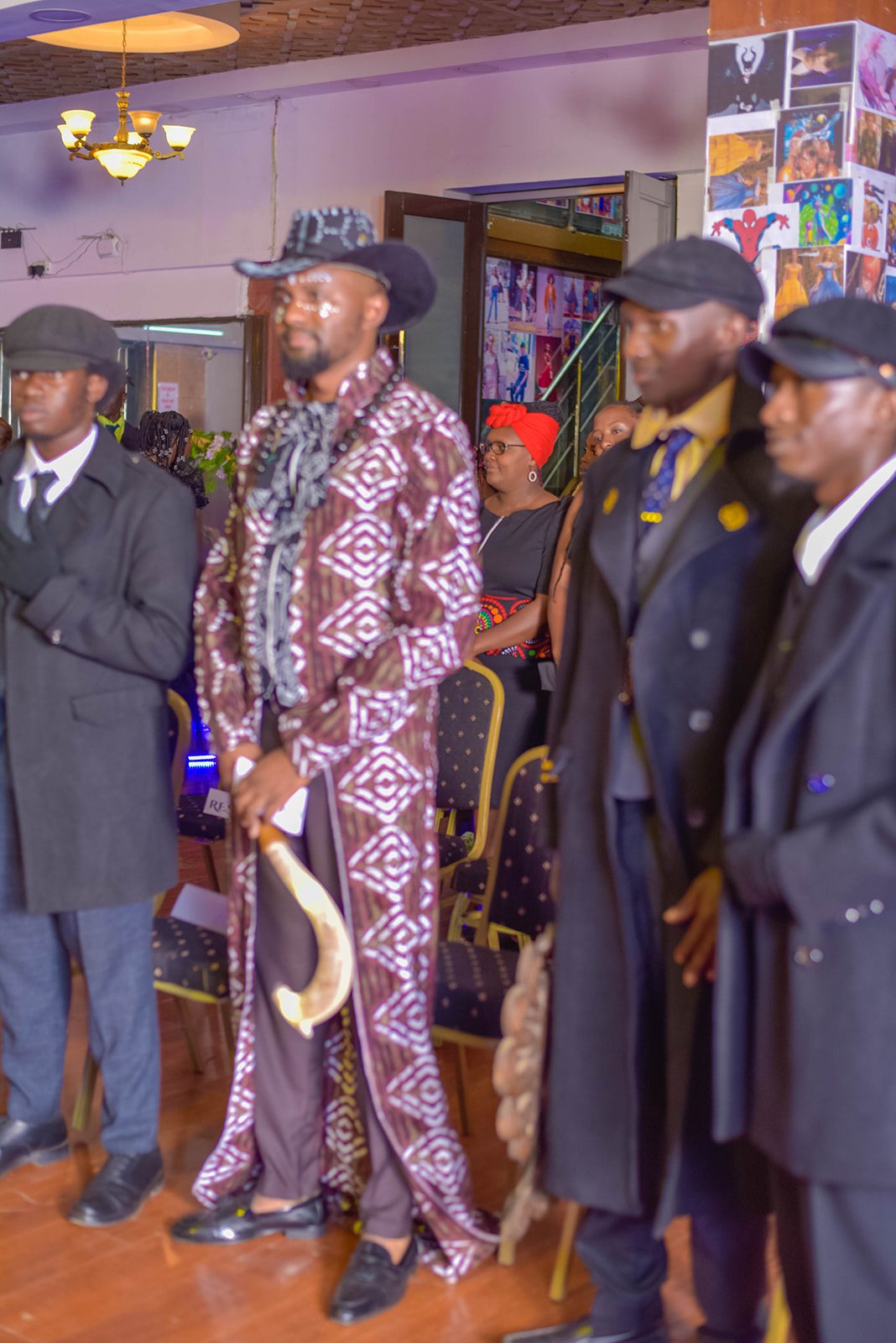
African Fashion for Men:Delight Techinical College
African Fashion for Men
Introduction: When a Man Dresses, a Legacy Speaks
On a quiet morning in Nairobi, a man adjusts the cuff of his tailored shirt before stepping out. The fabric is Ankara, bold yet refined. The cut is modern, but the patterns echo something ancient. As he walks, he doesn’t just look confident — he looks rooted. His outfit carries the weight of history, culture, and intention.
African fashion for men has always been more than clothing. It is a declaration of identity, status, masculinity, and belonging. From royal courts and warrior societies to boardrooms and global runways, African men have long used fashion to communicate who they are and where they come from.
Today, African men’s fashion is experiencing a powerful renaissance. Designers are reclaiming tradition, redefining masculinity, and building global brands rooted in African heritage. This article explores the journey of African fashion for men — its origins, evolution, business potential, and future — and how institutions like Delight School of Fashion and Design are preparing the next generation of designers to lead this movement.
The Origins of African Men’s Fashion: Clothing as Status and Strength
Historically, African men’s clothing was deeply symbolic. What a man wore reflected his role in society — warrior, elder, king, farmer, or spiritual leader.
Across the continent:
- Chiefs wore elaborately woven or embroidered garments
- Warriors dressed for both function and intimidation
- Elders wore garments signifying wisdom and authority
- Ceremonial attire marked rites of passage into manhood
In West Africa, men wore flowing agbadas and Aso Oke, symbolizing prestige and leadership. In East Africa, Maasai shukas and beadwork represented bravery and age-set identity. In North Africa, djellabas and kaftans combined modesty with elegance. In Southern Africa, skins, beadwork, and structured garments signified lineage and power.
African men did not dress casually. Every garment carried meaning.
Masculinity Redefined: The Modern African Man
As societies evolved, so did the African man. Colonization, globalization, urbanization, and digital culture introduced new influences — but African men’s fashion did not disappear. Instead, it adapted.
The modern African man is:
- Professional yet cultural
- Global yet rooted
- Stylish yet purposeful
His wardrobe blends:
- Traditional fabrics
- Western tailoring
- Contemporary silhouettes
Today’s African men’s fashion is about confidence without apology — embracing heritage while commanding modern spaces.
Key Elements of African Fashion for Men
- Fabrics That Carry Authority
Fabric is the foundation of African men’s fashion. Some of the most influential include:
- Ankara (Wax Print) – Used in shirts, suits, jackets, and casual wear
- Aso Oke – Luxury woven fabric for ceremonial and high-fashion pieces
- Kente – Symbolic and regal, often used for statement garments
- Mudcloth – Earthy, artistic, and bold
- Kitenge – Versatile for both formal and casual menswear
- Adire – Indigo-dyed fabric with strong visual identity
Designing menswear requires deep understanding of how these fabrics behave — especially in tailoring, structure, and durability.
- Tailoring and Silhouettes in African Menswear
Unlike women’s fashion, African men’s fashion often emphasizes:
- Structure
- Clean lines
- Strength
- Precision
Popular silhouettes include:
- Tailored suits with African prints
- Senator-style outfits
- Kaftans and tunics
- Fitted shirts with cultural accents
- Trousers with modern cuts
The challenge — and beauty — of African menswear lies in balancing bold fabrics with restraint, allowing patterns to enhance rather than overwhelm.
- Accessories as Power Statements
African men’s accessories are subtle but meaningful:
- Beaded necklaces and bracelets
- Leather sandals and loafers
- Caps and headwear (fila, kufi)
- Walking sticks and ceremonial items
- Handcrafted bags
Accessories complete the look while reinforcing identity and confidence.
African Fashion for Men in Kenya: A Rising Force
Kenya has become a growing hub for African menswear innovation.
Why Kenya’s Menswear Scene Is Growing
- Young, fashion-forward male population
- Expanding creative economy
- Rise of bespoke tailoring
- Influence of media, music, and sports
- Global demand for African-inspired menswear
From Nairobi’s tailoring shops to international fashion platforms, Kenyan designers are redefining how African men dress.
African Menswear as a Business Opportunity
African fashion for men is no longer niche — it is commercially viable and scalable.
Business Models Include:
- Bespoke tailoring
- Ready-to-wear menswear brands
- Corporate and ceremonial attire
- Fashion exports
- Costume and styling services
Menswear customers value fit, quality, and consistency, making it a strong long-term business for skilled designers.
Technology Shaping African Fashion for Men
Modern African menswear relies heavily on technology.
Design and Production:
- Digital pattern drafting
- Industrial sewing machines
- 3D garment visualization
- Fabric testing tools
Branding and Sales:
- Social media marketing
- E-commerce platforms
- Digital lookbooks
- Online consultations
Sustainability:
- Ethical sourcing
- Zero-waste cutting
- Durable garment construction
To succeed, designers must be fluent in both craft and digital tools.
Challenges in African Men’s Fashion — and How to Overcome Them
Common Challenges:
- Limited access to quality fabrics
- Inconsistent sizing standards
- Capital constraints
- Design imitation
- Weak branding
The solution lies in professional training, strong foundations, and strategic thinking.
Why Fashion Education Is Essential for Menswear Designers
Menswear may appear simple — but it is technically demanding.
A professional menswear designer must master:
- Pattern drafting
- Precision tailoring
- Fit across body types
- Fabric behavior
- Business and pricing strategy
Without proper training, even talented designers struggle to scale.
Delight School of Fashion and Design: Shaping the Future of African Menswear
Delight School of Fashion and Design stands as a pillar of excellence in Kenya’s fashion education ecosystem.
What Delight Offers Aspiring Menswear Designers:
- Practical tailoring skills
- Deep understanding of African textiles
- Modern fashion technology training
- Entrepreneurship and brand development
- Industry exposure and mentorship
Students graduate not just as designers, but as industry-ready professionals.
African Men’s Fashion on the Global Stage
African menswear is gaining international recognition:
- Fashion weeks
- Celebrity styling
- Luxury collaborations
- Global retail platforms
Designers trained in Africa are telling African stories — and the world is listening.
The Future of African Fashion for Men
The future of menswear is:
- Cultural
- Ethical
- Story-driven
- Technically refined
African fashion for men sits at the center of this future, offering designers the chance to influence global style while honoring heritage.
Step Into Your Purpose
African fashion for men is more than a trend — it is a movement. A movement that needs skilled hands, creative minds, and bold visionaries.
If you dream of designing garments that carry meaning, building a menswear brand rooted in culture, or shaping the future of African fashion, your journey begins with education.
Enroll at Delight School of Fashion and Design and gain the skills, confidence, and industry insight needed to turn talent into legacy.
The next generation of African menswear designers is being trained today.
Your place is waiting.