
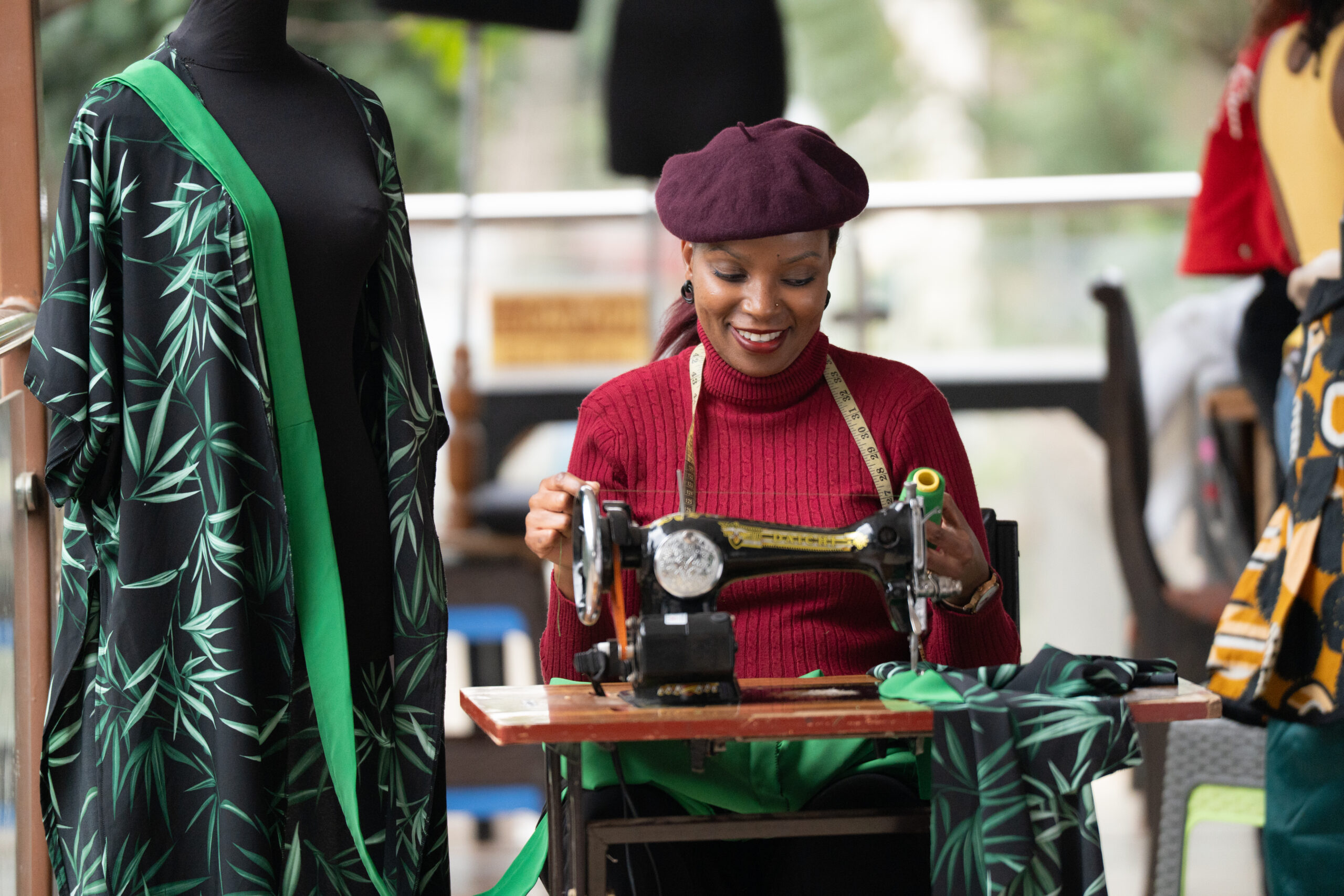
Beyond the Basics: How RPL Recognises Experience in Styled Garments Production
By Delight Technical College | School of Tailoring, Fashion & Design- RPL | 2026
There is a moment in every tailor’s career when plain garments stop being enough. Clients start asking for a collar with a different shape, a skirt with pleats, a dress with a lining, a jacket with panels and trim. Making those garments well requires planning, patience and a deeper knowledge of how fabric behaves. Styled Garments Production, the first unit in Level 4, is where the Delight Fashion Design Learning Guide begins to recognise that level of skill and RPL allows experienced tailors to be recognised for it.
✨ What “Styled” Means in Practice
A styled garment goes beyond basic construction. It carries design details that need extra skill to execute neatly. In this unit, those details typically include:
- Collars, cuffs and necklines with shaped or structured edges
- Pleats, gathers and darts that control fullness and shape
- Panels, yokes and style lines that divide a garment into sections
- Linings, facings and interfacing that give structure and a clean interior
- Decorative finishes such as piping, binding and trims
- Careful pressing that preserves the shape of each detail
🎓 Where This Unit Sits in the Delight Learning Guide
Unit 4: Styled Garments Production
- Module II | Level 4 (Certificate) | Term Two
- The first of four Term Two units
- Builds on the Level 3 units in Term One
- Entry to Level 4 is KCSE, or a Level 3 certificate
🔄 Myths and Facts About RPL for Styled Garments
Myth: RPL is only for people who have never been to school.
Fact: RPL is open to anyone who has gained skills through work, practice or non-formal learning. Education level is not the point; demonstrated competence is.
Myth: I must have made every garment type listed in the unit.
Fact: The assessor looks at whether you meet the unit’s standard overall. A strong range of styled work, backed by evidence, is more important than ticking every single item.
Myth: An RPL assessment is easier than a classroom assessment.
Fact: The standard is the same. What differs is the route. Your evidence and practical demonstration must show that you can perform to the required level.
Myth: If I am not competent in one area, I have failed.
Fact: A gap is simply identified so that you can train for it and return for reassessment.
🧵 Evidence That Shows Styled Work
- Photographs of garments with visible design features such as pleats, lined skirts or tailored collars
- Close-up photographs of the inside of garments, showing facings, linings and neat finishing
- Client orders or invoices describing the style of garment made
- Statements from boutique owners, designers or employers who commissioned styled work
🚀 Where to Begin
- List the styled garments you have made in the last two years
- Choose five that show a variety of techniques
- Write two or three sentences about how you made each one
- Speak to an RPL adviser about how your work maps to the unit
🧪 A Short Self-Check Before You Apply
Ask yourself these questions honestly:
- Can I set a collar, cuff or placket neatly?
- Can I cut and sew a lining that hangs without pulling?
- Can I control fullness with pleats, gathers or darts?
- Can I press shaped seams without flattening them?
- Can I explain why I chose a particular interfacing or fabric?
If you answered yes to most of these, you are probably a strong candidate. If you answered no to a few, that is useful information, because it shows exactly where to practise before an assessment.
“Anyone can sew a straight seam. Making a pleat sit perfectly or a lining hang cleanly takes experience and experience deserves to be recognised.”
💡 If you already make styled garments, you may be closer to Level 4 than you think. Call +254 722 533 771 or visit Delight Technical College at Muindi Mbingu Street, Nairobi.
📍 Delight Technical College | Muindi Mbingu Street, Opposite Jevanjee Gardens, Nairobi | +254 722 533 771 | www.delight.ac.ke