
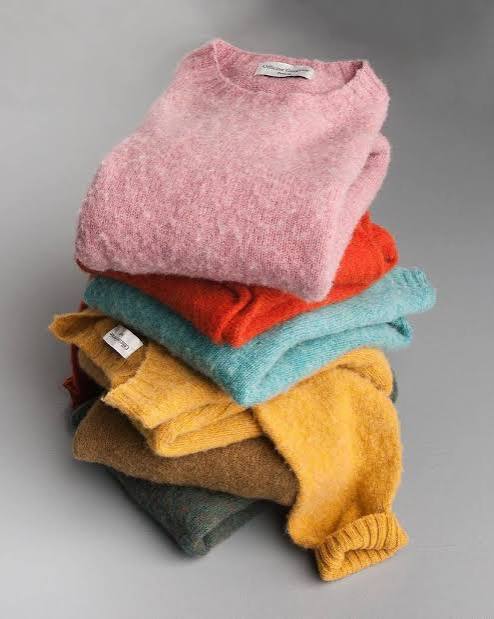
Knitwear Design Beyond Basics: Advanced Techniques for Delight Knitting Graduates
By Delight Technical College | School of Tailoring, Fashion & Design | 2026
Delight Technical College’s Knitting Trade Test introduces students to the foundational techniques of hand and machine knitting. For graduates who want to build serious careers and businesses in this specialist craft, advancing beyond foundational techniques into more sophisticated knitwear design opens significantly more creative and commercial possibilities. Here is a look at the advanced techniques and design thinking that take knitwear from functional to genuinely fashionable.
🧶 Beyond the Basics- Advanced Stitch Techniques
Cable Knitting:
The technique of crossing stitches over one another to create raised, twisted patterns (among the most visually distinctive and recognisable knitwear textures). Cable patterns require careful planning and precise execution but produce garments with significant visual and tactile interest.
Fair Isle and Colourwork:
Techniques for knitting multiple colours within a single row to create patterned designs (traditional in heritage knitwear but adaptable to contemporary African-inspired colour and pattern combinations).
Lace Knitting:
Creating openwork patterns through strategic increases and decreases like producing delicate, intricate textures appropriate for lighter-weight, warm-climate knitwear that suits Kenya’s market better than heavy traditional knits.
Intarsia:
A colourwork technique allowing larger, more complex pictorial or geometric designs within a knitted piece, distinct from Fair Isle’s smaller repeating patterns.
📐 Garment Shaping and Construction
- Raglan and set-in sleeve construction- different shoulder construction approaches producing different fit and silhouette
- Seamless construction techniques- knitting garments in the round to minimise or eliminate seaming
- Ribbing and edge finishing- the techniques that give knitwear its characteristic stretch and structured edges
- Blocking- the finishing process that sets a knitted piece into its final shape and dimensions
🎨 Design Thinking for Contemporary Knitwear
The most commercially successful contemporary knitwear designers think beyond traditional sweater and scarf categories:
- Lightweight knitwear suited to Kenya’s climate- vests, light cardigans, and accessories rather than heavy winter garments
- African-inspired colourwork- translating kitenge and kanga colour palettes and patterns into knitted textile design
- Knitted accessories- bags, hats, and jewellery that command strong margins with relatively modest material costs
- Mixed-media pieces- combining knitwear with woven fabric, leather, or beadwork for distinctive, layered design
💼 Commercial Applications for Advanced Knitwear Skills
- Boutique knitwear labels- building a distinctive brand around sophisticated knitwear design
- Custom commissions- bespoke knitted pieces for individual clients
- Teaching and workshops- sharing advanced knitting skills as an additional revenue stream
- Wholesale to boutiques and gift shops- supplying knitted accessories and small pieces to retail partners
🎓 Building on Delight’s Foundation
Delight’s Knitting Trade Test provides the essential technical foundation like machine and hand knitting basics, yarn knowledge, and fundamental construction. Graduates who want to pursue advanced knitwear design are encouraged to continue developing their skills through independent practice, short courses, and by applying the broader fashion design principles (colour theory, pattern, fabric decoration) taught elsewhere in Delight’s curriculum to their knitwear practice.
“Knitwear is one of fashion’s most underrated creative mediums capable of texture, pattern, and dimension that woven fabric cannot achieve. At Delight, we give graduates the foundation to take this craft as far as their ambition reaches.”
📍 Delight Technical College | Muindi Mbingu Street, Opposite Jevanjee Gardens, Nairobi | +254 722 533 771 | www.delight.ac.ke