
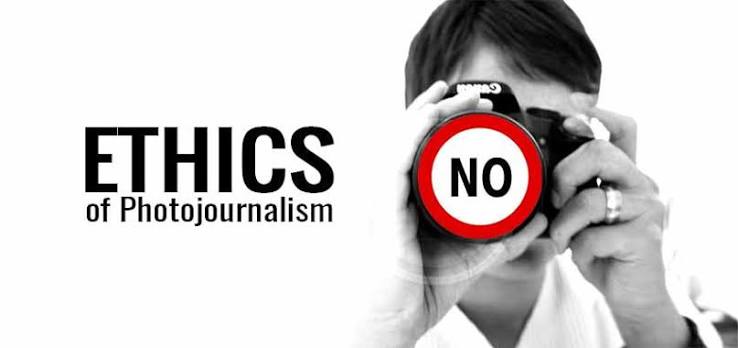
Press Photography and Photojournalism Ethics: A Deeper Look at Responsible Visual Reporting
By Delight Technical College | School of Media & AI- Photography & Digital Journalism | 2026
A press photograph carries enormous power, the ability to shape public perception, document history, and bear witness to events that words alone cannot fully capture. With that power comes a distinct set of ethical responsibilities that go beyond general photography ethics into the specific obligations of journalistic visual reporting. Delight Technical College addresses these specific press photography ethics as a cross-cutting concern for students in both the Photography and Digital Journalism programmes.
📸 The Core Ethical Principles of Press Photography
Non-Manipulation:
A press photograph must represent reality as it occurred. Unlike commercial or artistic photography, where retouching and manipulation are accepted creative tools, press photography has a strict obligation against manipulation that changes the factual content of the image like removing or adding elements, altering the sequence of events, or any digital change that misrepresents what actually happened.
Contextual Honesty:
Beyond not manipulating the image itself, ethical press photography requires honest context. A photograph taken out of its true context like a calm moment presented as chaos, or an isolated incident presented as representative of a broader pattern can mislead even without any digital manipulation.
Subject Dignity:
Press photographers regularly photograph people in moments of vulnerability (grief, conflict, poverty, or crisis). Ethical practice requires balancing the public interest in documenting these realities against the dignity and humanity of the people being photographed.
Consent and Access:
While press photography in public spaces does not generally require explicit consent in the way commercial photography does, ethical practitioners consider the power dynamics involved particularly when photographing vulnerable individuals or communities.
⚖️ Specific Ethical Dilemmas in Press Photography
Photographing Death, Grief, and Trauma:
Some of the most consequential and most ethically complex press photography involves moments of death, grief, or trauma. The public interest in documenting these realities (war, disaster, violence) must be weighed against the dignity of victims and their families.
Photographing Children:
Special ethical consideration applies to photographing children, particularly in contexts of vulnerability, conflict, or crisis balancing documentary value against child protection principles.
Staged vs Candid Moments:
Press photographers sometimes face pressure or opportunity to ask subjects to repeat an action or pose for a ‘better’ shot. Ethical practice generally requires that press photographs represent genuinely candid, unstaged moments clearly distinguished from any posed or arranged photography.
🎓 Press Photography Ethics at Delight
- Case study analysis of real ethical dilemmas faced by photojournalists
- Discussion of professional codes of ethics from international and Kenyan journalism bodies
- Practical exercises that require students to make and justify ethical decisions in realistic scenarios
- Integration with the broader media ethics curriculum shared with Digital Journalism students
💼 Why Ethical Practice Builds Professional Reputation
Photojournalists known for ethical practice are trusted by editors, by subjects, and by audiences. A single ethical lapse like a manipulated image, a staged ‘candid’ moment exposed as fake can permanently damage a photographer’s professional credibility and career.
“A camera in the hands of a press photographer is a powerful tool for truth or for distortion. At Delight, we train photographers who understand the difference and choose truth, every time.”
📍 Delight Technical College | Muindi Mbingu Street, Opposite Jevanjee Gardens, Nairobi | +254 722 533 771 | www.delight.ac.ke