
Accessories as a Business: How Delight Level 6 Graduates Build Profitable Accessory Labels
By Delight Technical College | School of Tailoring, Fashion & Design | 2026
In the world of fashion entrepreneurship, accessories occupy a uniquely advantageous position. They typically require less material than full garments, can be produced in a smaller workspace, carry premium pricing relative to production cost, and have exceptional gifting potential making them one of the most accessible and profitable entry points into the fashion market. For Delight Technical College Level 6 graduates who complete the 240-hour Fashion Accessories module, the path to a profitable accessories business is shorter than almost any other fashion specialisation.
💍 The Fashion Accessories Market in Kenya
Kenya’s accessories market is large, growing, and remarkably diverse:
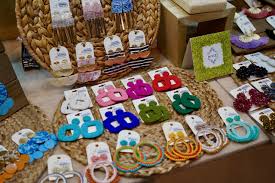
- Beaded jewellery- from traditional Maasai-inspired pieces to contemporary fashion jewellery
- Leather goods- handmade bags, belts, wallets, and small leather goods
- Fabric accessories- Ankara and Kitenge bags, headwraps, and neck pieces
- Hair accessories- fabric-covered headbands, scrunchies, and hair ties
- Occasion accessories- wedding and event pieces, bridal crowns, and fascinators
- Fashion-forward pieces- contemporary jewellery and accessories with distinct design identity
💰 Why Accessories Are Particularly Profitable
Lower Production Costs:
Accessories use significantly less material than garments (a handbag requires a fraction of the fabric of a dress). This means the material cost as a percentage of the selling price is lower, allowing for higher margins.
Lower Equipment Requirements:
Many accessory types can be produced with minimal equipment (beadwork requires only needles, thread, and beads; fabric bags require a sewing machine and basic tools). The capital required to start an accessories business is typically much lower than for garment production.
Premium Pricing:
Well-designed, well-made accessories command premium prices particularly for handcrafted pieces with African aesthetic identity. A handmade beaded necklace that takes two hours to produce can retail for KES 2,000–8,000. A beautifully made leather bag can retail for KES 5,000–30,000+.
Gifting Market:
Accessories are among Kenya’s most popular gifts (for birthdays, weddings, graduations, and corporate gifts0. A business that positions itself in the gifting market benefits from peaks of demand around celebration seasons.
🎓 Fashion Accessories at Delight- Level 6
- Module: Fashion Accessories | Level: 6 | Term: Six (Module VI)
- Total Hours: 240 | Hours per Week: 22
Product Categories Covered:
- Bags and handbags- construction, hardware, and lining techniques
- Belts and straps- leather and fabric belt making
- Jewellery- beadwork, wire-wrapping, and mixed media
- Hats and headwear- millinery basics and fabric headpiece construction
- Scarves and neck pieces- fabric selection and construction for accessories
🚀 Building an Accessories Business
The Online Sales Advantage:
Accessories photograph beautifully and are easy to ship making them ideal for online sales. A well-presented Instagram profile with clear pricing, a professional WhatsApp Business account for order management, and reliable delivery through courier services creates a functional online accessories business quickly.
The Market Stall Strategy:
Nairobi’s network of craft markets, pop-up events, and gallery markets provides accessible retail opportunities for accessories businesses allowing face-to-face selling, customer feedback, and brand building without the overhead of a permanent shop.
Corporate and Wholesale:
Hotels, boutique shops, and gift retailers purchase accessories wholesale creating bulk orders that are more financially efficient than individual retail sales. Corporate gifting programmes and hotel gift shops are particularly consistent wholesale customers.
“Accessories are where fashion creativity and business accessibility meet most perfectly. At Delight, the Fashion Accessories module gives Level 6 students the skills, the portfolio, and the business foundation to build something profitable from the day they graduate.”
💡 Many Delight accessories graduates begin selling before they finish the module using work produced in class as both portfolio and saleable product.
📍 Delight Technical College | Muindi Mbingu Street, Opposite Jevanjee Gardens, Nairobi | +254 722 533 771 | www.delight.ac.ke