
From Concept to Collection: How Level 6 Fashion Students Develop a Complete Design Portfolio
By Delight Technical College | School of Tailoring, Fashion & Design | 2026
A fashion collection is more than a group of garments, it is a cohesive creative statement. The ability to conceive, develop, and realise a collection from initial concept to finished pieces is the defining achievement of a Level 6 fashion education at Delight Technical College. It is the project that tests every skill developed across the programme and produces the portfolio pieces that launch careers and businesses.
💡 Stage 1: Concept Development
Every collection begins with an idea (a theme, a feeling, a story, or a question) that the designer wants to explore through clothing. At Level 6, Delight students are guided through a structured concept development process:
Finding Inspiration:
- Cultural research- exploring traditions, textiles, and aesthetics from East African and global cultures
- Art and design research- drawing on fine art, architecture, textile history, and graphic design
- Personal narrative- using the designer’s own experience and perspective as creative material
- Social and environmental themes- translating ideas about sustainability, identity, or community into design language
The Mood Board:
A mood board is the visual articulation of the concept (a curated collection of images, colours, textures, and references) that establishes the look, feel, and emotional world of the collection. Creating a compelling mood board requires both strong visual research skills and the ability to edit ruthlessly, keeping only the elements that genuinely serve the concept.
✏️ Stage 2: Design Development
Fashion Illustration:
The concept takes human form through fashion illustration (drawing the proposed garments on the fashion figure). At Level 5, Delight students develop fashion illustration skills (60 hours in Module III). At Level 6, these skills are applied to collection development, producing a full set of design drawings that communicate the collection’s aesthetic.
Technical Design:
Fashion illustration captures the creative vision. Technical design (flat drawings with measurements, construction notes, and material specifications) translates that vision into production instructions. CAD (Computer-Aided Design, Level 6 Module VI) enables designers to produce these technical drawings digitally.
Fabric and Material Selection:
The choice of fabric is as important as the design itself. The wrong fabric can ruin a beautiful design, while the right fabric can make an average design extraordinary. Textile Material Principles (Level 5, Module III) gives students the knowledge to make these choices professionally.
✂️ Stage 3: Pattern Making and Toiling
Before cutting expensive final fabrics, designers create a toile, a prototype garment made from inexpensive fabric that allows the pattern to be tested and refined before the final version is produced. This stage applies Pattern Construction and Grading (Level 5, Module IV – 160 hours) at its most practical and consequential level.
🧵 Stage 4: Production
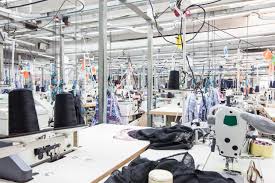
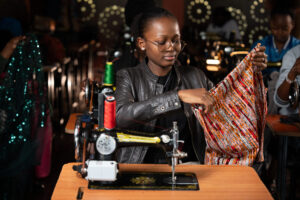
The final collection pieces are produced, applying every technical garment construction skill developed from Level 3 through Level 6. At this stage, the designer is not just a technician executing a pattern, they are a professional making aesthetic, technical, and quality judgements at every step.
📸 Stage 5: Photography and Presentation
A collection that has not been photographed professionally does not exist professionally. Delight’s cross-school collaboration between the Fashion and Photography schools means that Level 6 fashion students can access professional photography for their collections, building portfolio content that can be submitted to universities, entered in competitions, or used to market their professional services.
🌟 The Collection as a Career Launchpad
- University applications- a strong Level 6 collection portfolio is a compelling submission for degree programmes
- Professional employment- studios and fashion houses hire based on portfolio quality
- Client acquisition- a collection demonstrates a designer’s range and aesthetic to potential clients
- Competition entries- fashion design competitions frequently accept collection submissions
- Funding applications- entrepreneurs seeking finance to launch a label use collection work as evidence of capability
“A collection is a designer’s thesis, their argument for why they deserve to be taken seriously as a creative professional. At Delight, we give students the skills, the space, and the support to make that argument compellingly.”
📍 Delight Technical College | Muindi Mbingu Street, Opposite Jevanjee Gardens, Nairobi | +254 722 533 771 | www.delight.ac.ke