Post-Production Workflow at Delight’s Media School: From Raw Footage to Finished Film
By Delight Technical College | School of Media & AI | 2026
In film and video production, what happens after the camera stops rolling is as important as what happens in front of it. Post-production is where raw footage is transformed into a polished, professional piece of media and it is one of the most technically demanding and creatively rewarding phases of the production process. At Delight Technical College, the post-production workflow is a core part of both the Film Production and Videography programmes.
🎬 What Is Post-Production?
Post-production is the third phase of filmmaking following pre-production (planning) and production (shooting). It encompasses all the work that transforms recorded footage into a completed, deliverable film, video, or content piece:
- Video editing- assembling footage into a coherent sequence
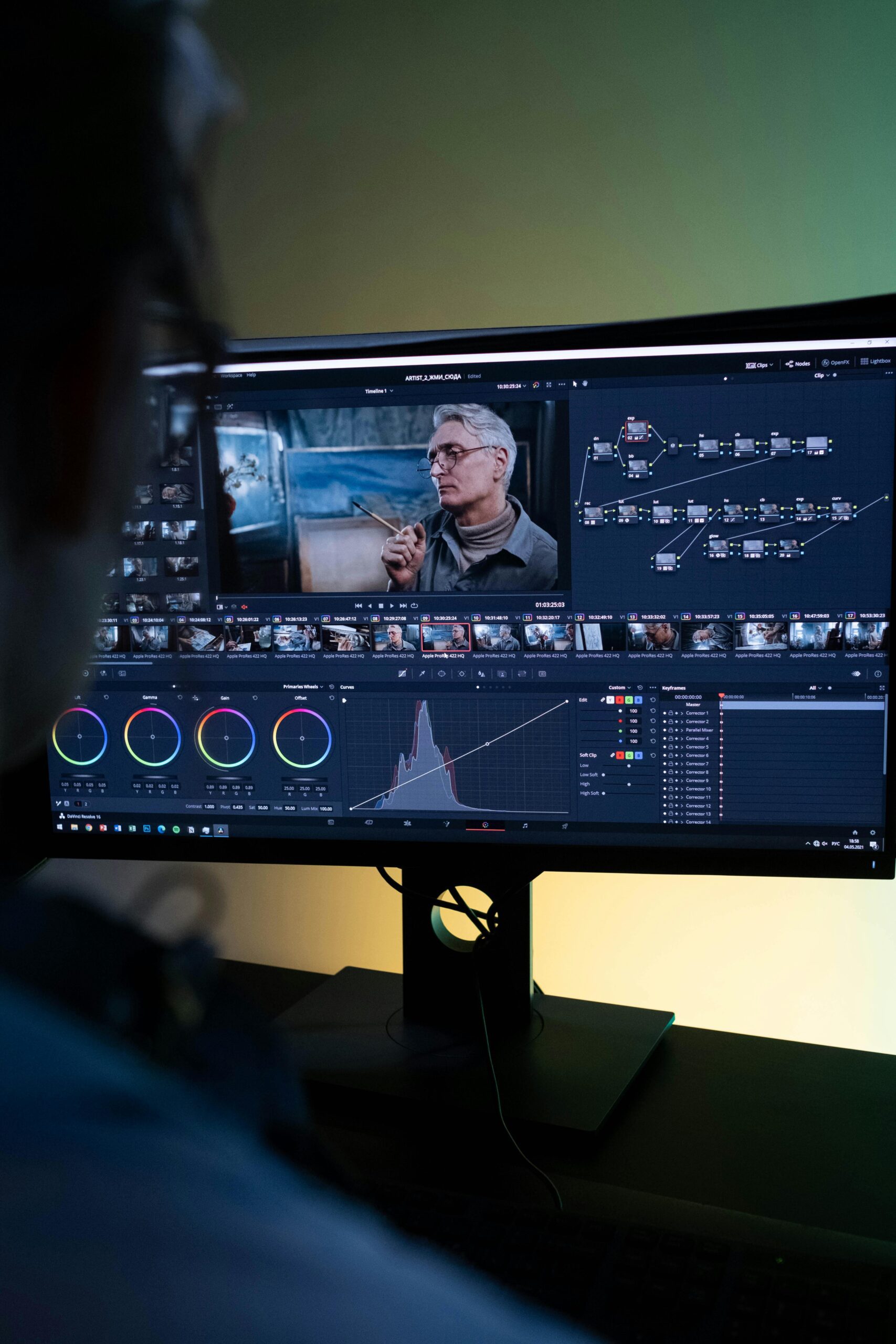
- Colour grading- establishing the visual mood and aesthetic
- Audio editing and mixing like cleaning, balancing, and enhancing sound
- Music and sound design- adding music, effects, and atmospheric sound
- Visual effects and motion graphics- adding titles, animations, and effects
- Exporting and delivery- rendering the final file in the correct format for its platform
🖥️ Delight’s Post-Production Suite
Delight’s dedicated Editing, Graphic Design and Post-Production Suite is equipped with:
- High-performance editing workstations- handling large video files efficiently
- Industry-standard software like Adobe Premiere Pro, DaVinci Resolve, After Effects
- Audio editing tools- Adobe Audition for sound cleaning and mixing
- External hard drives and cloud storage- for managing large media files
- Reference monitors- displaying accurate colour for grading work
🎓 The Post-Production Workflow at Delight
Step 1: Ingesting and Organising Footage
- Transferring footage from cameras to editing drives
- Organising clips by scene, take, and content type
- Creating a logical folder structure for the project
Step 2: Rough Cut
- Assembling the best clips in sequence telling the story in its basic form
- Working from the script or shot list to ensure all required content is present
Step 3: Fine Cut
- Refining timing- cutting frames, adjusting pacing, tightening transitions
- Syncing audio to video where separate recording was used
- Reviewing with director or client for feedback and revisions
Step 4: Colour Grading
- Colour correction- fixing technical issues
- Creative colour grading- establishing the visual look and mood
Step 5: Audio Post-Production
- Cleaning dialogue- removing background noise and pops
- Balancing audio levels across the film
- Adding music, effects, and atmospheric sound
Step 6: Visual Effects and Graphics
- Adding title cards, lower thirds, and end credits
- Applying motion graphics and animations
- Integrating any VFX shots
Step 7: Export and Delivery
- Rendering the final file in the correct format for the intended platform
- Preparing versions for different platforms like cinema, broadcast, web, social media
“In post-production, the film finds its final form. The best editors are not just technicians, they are storytellers who shape the narrative through every cut, every colour choice, every sound decision.”
📍 Delight Technical College | Muindi Mbingu Street, Opposite Jevanjee Gardens, Nairobi | +254 722 533 771 | www.delight.ac.ke