
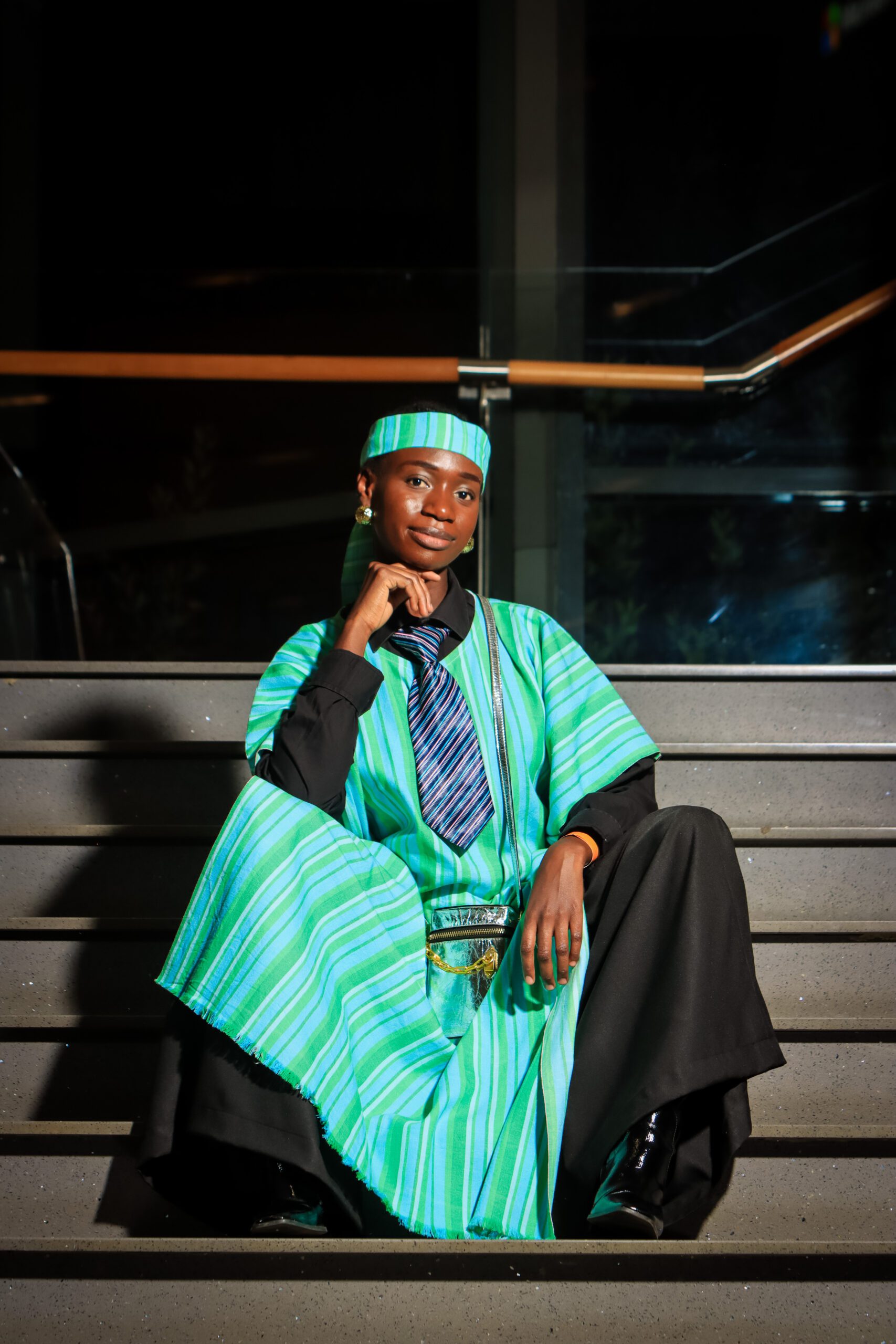
Where to Study Dressmaking in Nairobi (2026 Guide)
The Dress That Changed Everything
A young woman walks into a wedding wearing a dress no one has seen before. Guests whisper. Cameras turn. Designers take notes. When asked where she bought it, she smiles and says:
“I didn’t. I made it.”
That moment — the moment someone realizes clothing can be created, not just purchased — is where many fashion careers begin.
If you’re searching for where to study dressmaking in Nairobi in 2026, this guide is your complete roadmap. From course structure and duration to fees, certification, and career pathways, you’ll discover how professional training works and why choosing the right institution determines whether your dream remains an idea or becomes a thriving career.
This guide focuses on one institution that offers structured, practical, career-oriented training: Delight Technical College, located in Nairobi CBD.
Study Location: Central Access Matters
While Nairobi has multiple training centers, location is a major factor when choosing where to study dressmaking. A centrally located campus makes commuting easier, especially for working students or those attending evening classes.
Delight Technical College is situated on Muindi Mbingu Street opposite Jevanjee Gardens in Nairobi CBD — a strategic location that allows students from all parts of the city to attend classes conveniently (provided address details).
Why Study Dressmaking Professionally Instead of Self-Teaching?
YouTube tutorials can teach stitches. They cannot teach mastery.
Professional dressmaking training offers:
- Structured curriculum
- Industry-tested techniques
- Feedback from master tailors
- Access to professional equipment
- Certification
- Portfolio development
According to training information from Delight’s official course page, students receive hands-on instruction, entrepreneurship training, and personalized learning support throughout their program.
This structured learning environment dramatically shortens the time it takes to move from beginner to professional level.
Professional Dressmaking Courses in Nairobi — What You’ll Learn
A strong dressmaking program must go beyond sewing basics. At Delight Technical College, the curriculum covers essential industry competencies including:
- Pattern drafting (the foundation of garment construction)
- Sketching and illustration
- Clothing construction theory and practice
- Stitching and fitting techniques
- Textile knowledge
- Embroidery
- Fashion design principles
- Entrepreneurship skills
This combination ensures students graduate with both creative ability and technical competence — a balance required in modern fashion careers.
Course Levels Explained: Beginner to Professional
One of the biggest advantages of studying dressmaking professionally is structured progression.
At Delight Technical College, training is divided into progressive stages:
| Level | Duration |
| Beginner | 3 months |
| Intermediate | 3 months |
| Expert | 3 months |
| Professional | 3 months |
Each stage builds on the previous one, allowing students to develop mastery step-by-step.
This modular approach is ideal for:
- Absolute beginners
- Career switchers
- Working professionals
- Entrepreneurs starting fashion brands
Flexible Study Options for Real Life Schedules
One of the most common reasons people postpone education is time. Work, business, parenting, and commuting can make full-time study difficult.
Delight Technical College solves this with flexible schedules:
- Day classes: 9:00am – 5:00pm
- Evening classes: 5:30pm – 8:00pm
- Weekend classes: Saturday 10:00am – 4:00pm
Flexible learning is especially valuable for:
- Employees upgrading skills
- Entrepreneurs learning part-time
- Students combining courses
- Parents returning to school
Tuition Fees for Dressmaking Courses (2026)
Affordability is one of the key factors when choosing where to study dressmaking.
Monthly training fees at Delight Technical College:
- Day classes: KSh 12,000
- Evening classes: KSh 9,500
- Weekend classes: KSh 8,500
These flexible payment structures allow students to choose schedules based on both availability and budget.
Certification and Professional Recognition
At the end of training, students receive a certificate confirming completion of their dressmaking program.
Certification matters because it:
- Validates your technical ability
- Builds credibility with clients
- Helps secure employment
- Strengthens your portfolio
- Enables business licensing
In Kenya’s competitive fashion market, documented skills often separate professionals from hobbyists.
Real Industry Skills, Not Just Theory
According to official course details, students at Delight don’t just study fashion — they actually design and sew their own garments during training.
This practical approach ensures graduates can immediately:
- Take client orders
- Launch clothing brands
- Join fashion houses
- Work as freelance tailors
Hands-on training is one of the strongest predictors of job readiness in vocational education.
Career Opportunities After Studying Dressmaking
Graduates of dressmaking and fashion programs can pursue diverse career paths. Potential roles include:
- Dressmaker or tailor
- Fashion designer
- Pattern maker
- Textile designer
- Stylist
- Fashion illustrator
- Wardrobe consultant
- Fashion entrepreneur
- Custom clothier
- Retail fashion consultant
This diversity means your career doesn’t have to follow a single path. Many professionals combine multiple roles — for example, designer + stylist + entrepreneur.
The Rise of Dressmaking Careers in Kenya
The demand for custom clothing is rising rapidly in Kenya due to:
- Growth of fashion entrepreneurship
- Expansion of social media fashion brands
- Demand for unique outfits
- Cultural event fashion needs
- Wedding industry growth
Technical fashion skills are increasingly valuable because they allow professionals to create income independently — something vocational education is known for supporting.
One Reddit user discussing technical education noted that diploma-style technical skills often enable graduates to start small businesses and earn income even without formal employment.
That’s exactly what dressmaking training prepares you for: self-sufficiency through skill.
Learning Environment & Facilities
Quality training requires the right tools.
Students at Delight Technical College benefit from:
- One sewing machine per student
- Professional cutting space
- Manual, electric, and overlock machines
- Personalized instruction
- Friendly learning environment
Access to equipment matters because fashion is a tactile discipline. You learn best by touching fabric, cutting patterns, and sewing garments yourself.
Entry Requirements for Dressmaking Training
Dressmaking programs are designed to be accessible.
Typical requirements include:
- Copy of identification document
- Passport photos
- Academic certificate or equivalent
These requirements make dressmaking one of the most accessible professional skills you can learn — no advanced academic grades required for many artisan or short courses.
Who Should Study Dressmaking?
Dressmaking is not limited to aspiring fashion designers. It’s ideal for:
- Creatives
- Entrepreneurs
- Boutique owners
- Stylists
- Costume designers
- Tailors
- Fashion influencers
- Students exploring careers
- People starting side businesses
The training is especially valuable for individuals who want a skill they can monetize immediately.
Intakes and Enrollment Periods
Fashion courses often run in multiple annual intakes. For example, some programs at Delight accept new students in February, June, and October.
Multiple intakes allow you to start your training without waiting a full academic year.
What Makes a Good Dressmaking School?
When choosing where to study dressmaking in Nairobi, evaluate these factors:
- Accreditation
Recognition ensures your certificate is valid. - Practical Training
Theory alone is not enough. - Flexible Scheduling
Important for working learners. - Equipment Access
Professional tools accelerate learning. - Career Support
Internships and mentorship matter. - Portfolio Development
Essential for clients and employers. - Entrepreneurship Training
Fashion is a business industry.
Delight Technical College meets these criteria through structured programs, practical training, and business-focused curriculum elements.
The Advantage of Learning Dressmaking in Nairobi
Nairobi is one of Africa’s most vibrant fashion cities. Students studying here benefit from:
- Exposure to real fashion markets
- Access to fabric suppliers
- Fashion shows and exhibitions
- Networking with designers
- Internship opportunities
- Growing demand for custom clothing
Learning fashion in a fashion-active city accelerates professional growth because you’re surrounded by real industry activity.
From Student to Designer: What Success Looks Like
Students who complete dressmaking training typically progress through these stages:
- Beginner learner
- Skilled technician
- Independent creator
- Paid freelancer
- Brand owner
Professional training shortens the time required to move through these stages.
How to Apply
To enroll at Delight Technical College, applicants typically need:
- Copy of KCPE or KCSE results
- Copy of ID
- Birth certificate (if applicable)
- Passport photos
You can apply by visiting the campus:
Delight Technical College
Muindi Mbingu Street, Opposite Jevanjee Gardens
Nairobi CBD, Kenya
Phone: +254 722 533 771 / +254 724 566 088
Email: info@delight.ac.ke
Website: www.delight.ac.ke
Final Thoughts: The Skill That Pays for Life
Fashion trends change every season. But one thing never changes:
People will always need clothes.
Learning dressmaking is not just learning a craft — it’s acquiring a lifelong income skill. Whether you want to design red-carpet gowns, start a tailoring business, or create your own fashion brand, professional training gives you the foundation to succeed.
If you’ve been thinking about learning dressmaking, the best time to start is now.
Don’t wait for the “perfect moment.”
Don’t wait for someone to approve your dream.
Don’t wait until another year passes.
Enroll at Delight Technical College and begin your journey from beginner to professional dressmaker today.
Because the next outfit everyone admires… could be yours.