
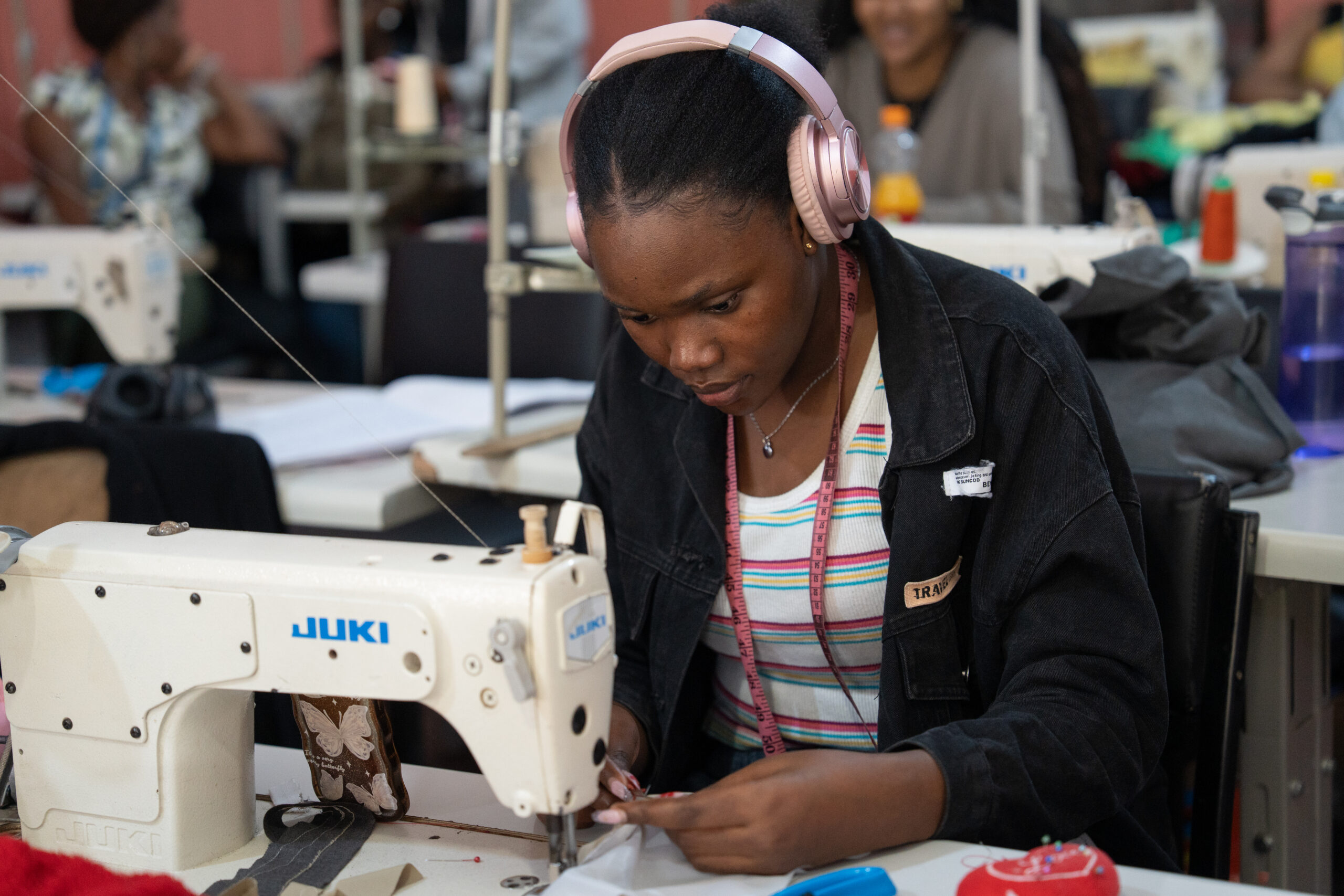
Affordable Fashion Design School in Kenya (2026 Fees)
A Dream Doesn’t Have to Be Expensive to Begin
A young designer stands outside a tailoring shop window in Nairobi, sketchbook pressed to their chest. They can see the garments. They can imagine the stitches. They can almost feel the fabric beneath their fingers.
But one question stops them from walking inside:
Can I afford fashion school?
For thousands of aspiring creatives across Kenya, talent isn’t the barrier. Cost is. Tuition, materials, tools, and time can feel overwhelming — especially when stories circulate about technical college fees rising nationwide.
The truth? Affordable, high-quality fashion training does exist — if you know where to look and how to evaluate value.
This 2026 guide explains:
- Realistic fashion school costs in Kenya
- What determines affordability in TVET institutions
- Payment expectations and hidden costs
- How to measure value, not just price
- Why Delight Technical College stands out as a smart investment for fashion students
Understanding Fashion School Fees in Kenya (2026 Reality)
Before choosing any institution, you need context.
Average TVET Tuition in Kenya
Recent data shows typical annual tuition ranges across institutions:
- Artisan courses: KES 10,000 – 25,000 (government colleges)
- Craft certificates: KES 18,000 – 40,000
- Diplomas: KES 35,000 – 70,000
Private colleges generally cost more due to facilities and flexible schedules:
- Artisan: KES 20,000 – 50,000
- Craft: KES 30,000 – 70,000
- Diploma: KES 50,000 – 150,000
Recent curriculum changes have also affected pricing. Under Kenya’s modular system introduced in 2025, some students now pay about KSh 105,000 per year or more depending on modules and extras.
A news report in February 2026 confirms the increase, noting tuition in some TVET programs rose from around KSh 56,000 to about KSh 105,000 annually, with certain courses reaching even higher totals.
What this means:
Affordable training is no longer defined by the cheapest option — but by the best value within this evolving fee landscape.
What “Affordable” Really Means in Fashion Education
Most students make the same mistake: they compare fees only.
Smart students compare:
| Factor | Why It Matters |
| Accreditation | Determines certificate validity |
| Practical Training | Influences employability |
| Industry Exposure | Leads to internships |
| Facilities | Affects skill development |
| Curriculum | Determines relevance |
| Career Support | Impacts job success |
Low fees without these factors can cost you more long-term.
Affordable education = reasonable cost + strong outcomes
Introducing Delight Technical College — Affordable Excellence in Fashion Training
Located in Nairobi CBD, Delight Technical College has built a reputation over 8 years as a practical-focused institution offering career-ready training.
Campus Location:
Muindi Mbingu Street, Opposite Jevanjee Gardens, Nairobi City County, Kenya
Contact:
+254 722 533 771 / +254 724 566 088
[email protected]
Approved by the Ministry of Education (TVETA/PRIVATE/TVC/0080/2022), the college delivers accredited programs designed to balance affordability with real-world skill development.
2026 Fashion Design Course Fees at Delight Technical College
One of the strongest reasons students choose Delight is transparent pricing.
Tuition — School of Tailoring, Fashion & Design
- Diploma, Certificate, Artisan programs: KES 40,000 per term
Compared to national averages, this sits within — or below — many private college ranges while still offering structured practical training.
Additional Administrative Costs
- Statutory fees: KES 12,000/year
- Attachment fee: KES 10,000/year
- Exam fee: KES 8,000 per module
These are clearly stated upfront — an important sign of institutional transparency.
Fashion Programs Offered (Beginner to Professional Pathway)
Delight provides a structured learning ladder, allowing students to progress without changing schools.
Diploma Level
- Fashion Design — Level 6 (TVET-CDACC)
Higher Certificate
- Fashion Design Technology — Level 5
Certificate
- Fashion Design Technology — Level 4
Artisan Training
- Dressmaking
- Tailoring
- Trade Tests (NITA)
- Knitting
This tiered system matters because it supports:
- Beginners with minimal academic qualifications
- Students upgrading skills
- Professionals formalizing experience
Entry Requirements Explained Simply
| Level | Requirement | Duration |
| Diploma | KCSE C– | 2 Years |
| Certificate | KCSE D | 2 Years |
| Artisan | KCPE or any KCSE grade | 1 Year |
This inclusive admissions structure makes fashion education accessible to a wider range of learners — a major factor in affordability and opportunity
Why Delight Is Considered Affordable Beyond Tuition
True affordability isn’t just price — it’s return on investment.
Delight delivers value through:
- Practical Training Model
Students learn by doing, not memorizing theory.
- Flexible Study Options
Day, evening, and weekend classes allow students to work while studying.
- Career-Focused Curriculum
Programs are aligned with real industry needs, not outdated syllabi.
- Entrepreneurship Training
Graduates leave with skills to start businesses — reducing dependence on employment markets.
- Internship Partnerships
Real-world experience improves employability and confidence.
Hidden Costs Students Should Always Budget For
Even in affordable institutions, every student should plan for:
- Tools and sewing equipment
- Fabric and materials
- Books or learning resources
- Transport or accommodation
These extra expenses are common across TVET programs nationwide.
Knowing this beforehand prevents financial stress later.
Financial Support Options for TVET Students in Kenya
Students pursuing technical education can often access funding support:
- Government capitation subsidies
- HELB loans for TVET students
- County bursaries
- Institutional scholarships
For example, one technical college reports annual fees of KSh 56,420, with government support covering KSh 30,000 and students paying the remaining balance.
This shows that financial assistance is an important part of the affordability equation.
Delight also offers scholarships and sponsorship opportunities for deserving learners.
Facilities That Increase Value Without Increasing Fees
Students benefit from access to:
- Equipped workshops
- ICT labs
- Creative studios
- Free Wi-Fi and computer training
Many institutions charge premium tuition for similar facilities. At Delight, they are part of the learning environment.
Career Opportunities After Fashion Training
Graduates from structured fashion programs can pursue careers such as:
- Fashion designer
- Pattern maker
- Tailor
- Costume designer
- Fashion entrepreneur
- Wardrobe stylist
- Production assistant
- Fashion illustrator
TVET graduates across Kenya often find employment quickly or start their own businesses after training.
This is why choosing a skills-focused institution matters more than choosing the cheapest option.
What Makes a Fashion School Truly Worth the Cost
When evaluating value, ask:
- Is the program accredited?
- Are instructors industry professionals?
- Is training practical?
- Are career opportunities supported?
- Are fees transparent?
Delight checks each of these boxes.
Student Experience at Delight
Students benefit from:
- Fashion shows and exhibitions
- Creative clubs
- Mentorship sessions
- Career guidance programs
These experiences build confidence, portfolios, and professional networks — advantages that often determine career success.
Application Process — How to Enroll
To apply, visit the campus with:
- Copy of KCPE/KCSE certificate or results slip
- National ID copy
- Birth certificate copy (if applicable)
- Two passport photos
Payments should be made to:
Bank: KCB Bank Kenya
Branch: Biashara Street
Account Name: Delight Technical College
Account Number: 01129558232700
Who Should Apply?
Delight Technical College is ideal for:
- Beginners passionate about fashion
- School leavers seeking skills training
- Creatives changing careers
- Entrepreneurs building fashion brands
- Designers upgrading qualifications
Why Choosing the Right Fashion School Matters More Than Price
Fashion is a competitive industry.
Employers and clients look for designers who can:
- Construct garments professionally
- Meet deadlines
- Understand fabrics
- Communicate ideas visually
The right training environment develops these skills.
Choosing a cheap but ineffective school wastes money.
Choosing an affordable and practical school builds a career.
The Real Value Equation
When you combine:
- Accredited certification
- Practical training
- Flexible schedules
- Career support
- Transparent fees
You don’t just get education.
You get momentum.
Your Future in Fashion Starts With One Decision
Every successful designer once stood where you are now — wondering whether to begin.
The difference between those who succeed and those who don’t is rarely talent.
It’s action.
Delight Technical College provides a pathway that is:
- Accessible
- Affordable
- Accredited
- Career-focused
Enroll Today — Build Skills That Pay for Life
Visit the campus today:
Delight Technical College
Muindi Mbingu Street, Opposite Jevanjee Gardens
Nairobi City County, Kenya
Call or WhatsApp:
+254 722 533 771 / +254 724 566 088
Email: [email protected]