Delight Technical College Guide to African Fashion for Women: Culture, Craft, and Modern Style
Introduction: When a Woman Walks, History Walks With Her
On a warm Nairobi afternoon, a woman steps out into the city wearing a flowing Ankara dress cinched at the waist, its bold patterns catching the sun. Heads turn—not because the dress is loud, but because it speaks. It tells stories of heritage, resilience, femininity, and pride. In that single outfit lives generations of African women who have used fabric not just to cover the body, but to express identity, status, creativity, and power.
African fashion for women is not a trend. It is not a seasonal moment. It is a living, breathing archive—one that continues to evolve with every new generation of designers, tailors, stylists, and entrepreneurs. Today, African women’s fashion stands at the intersection of culture, global commerce, technology, and creative freedom, offering unprecedented opportunities for those willing to learn the craft and the business behind it.
This article explores African fashion for women—its roots, its modern expressions, its economic power, and its future. More importantly, it shows how aspiring designers can turn this heritage into a career, and how institutions like Delight School of Fashion and Design are shaping the next generation of African fashion leaders.
The Roots of African Women’s Fashion: More Than Clothing
Long before runways, fashion weeks, or luxury labels, African women dressed with intention. Clothing was a language.
Across the continent, textiles, silhouettes, colors, and accessories communicated:
- Marital status
- Age and womanhood milestones
- Social rank
- Spiritual beliefs
- Regional identity
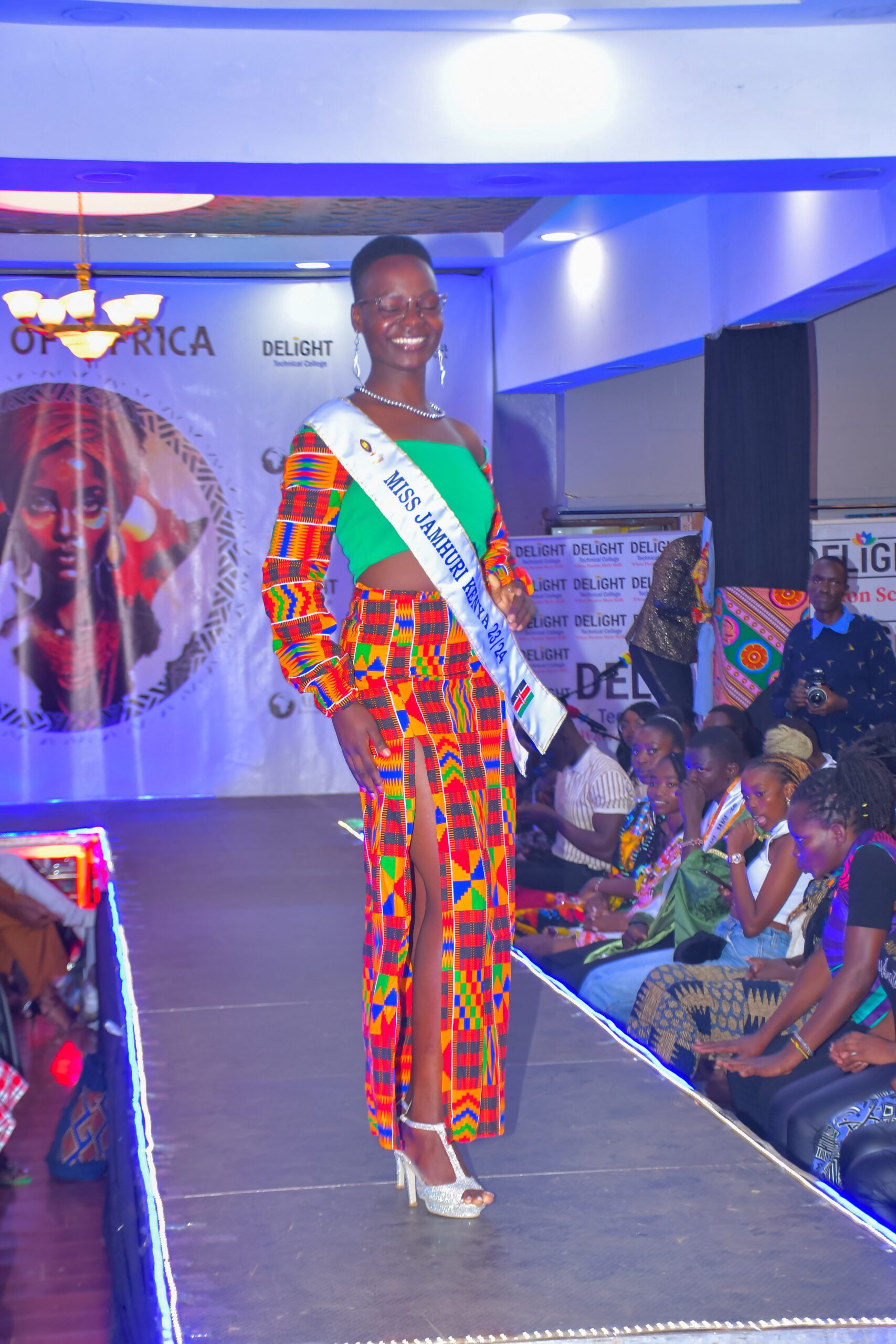
In West Africa, Kente cloth was worn by women of status and used during ceremonies. In East Africa, Kanga and Kitenge fabrics carried Swahili proverbs, allowing women to communicate emotions and messages without speaking. In Southern Africa, beadwork and wraps told stories of lineage and love. In North Africa, embroidered kaftans and hijabs blended modesty with elegance.
African women were not passive wearers of fashion—they were creators, curators, and storytellers. Every stitch mattered.
The Evolution: African Fashion Meets the Modern Woman
As cities grew and cultures merged, African women’s fashion began to transform. Western tailoring met indigenous textiles. Traditional silhouettes met modern cuts. What emerged was a new language of style—African fashion that honors the past while dressing the present.
Today’s African woman is many things at once:
- Professional
- Creative
- Entrepreneurial
- Cultural
- Global
Her wardrobe reflects that complexity.
You’ll see:
- Ankara power suits worn to board meetings
- Kitenge dresses tailored into minimalist silhouettes
- Beaded accessories paired with modern heels
- Traditional headwraps styled for fashion editorials
African fashion for women today is versatile, bold, and unapologetically expressive.
Key Elements of African Fashion for Women
- Fabrics That Speak
Fabric is the heart of African women’s fashion. Some of the most iconic include:
- Ankara (African Wax Print): Vibrant, symbolic, and endlessly adaptable
- Kitenge: Popular in East Africa, ideal for everyday wear and formal designs
- Kanga: Known for its proverbs and emotional storytelling
- Aso Oke: Handwoven luxury fabric from West Africa
- Mudcloth (Bogolanfini): Earthy, artistic, and deeply symbolic
- Adire: Indigo-dyed fabric with intricate patterns
Each fabric requires technical knowledge—how it drapes, stretches, responds to heat, and ages over time. This knowledge separates hobbyists from professionals.
- Silhouettes That Celebrate the Female Form
African fashion for women often emphasizes:
- The waist
- The hips
- Movement
- Grace
Common silhouettes include:
- Fit-and-flare dresses
- Wrap skirts
- Structured peplum tops
- Flowing kaftans
- Tailored jumpsuits
Modern designers now combine these with:
- Corsetry
- Contemporary tailoring
- Asymmetrical cuts
- Layering techniques
The result? Clothing that celebrates femininity without limiting freedom.
- Accessories as Identity
No African outfit is complete without accessories:
- Beaded necklaces and bracelets
- Cowrie shells
- Brass and gold jewelry
- Headwraps (gele, turban, dhuku)
- Handcrafted bags and sandals
For women, accessories often serve as both fashion statements and cultural markers.
African Fashion for Women in Kenya: A Growing Industry
Kenya has become a powerful hub for African women’s fashion. From Nairobi’s fashion houses to grassroots tailoring businesses, the industry is thriving.
Why Kenya?
- A youthful, style-conscious population
- Growing middle class
- Strong fashion education institutions
- Exposure through fashion weeks and digital platforms
- Access to both local and global markets
Kenyan women designers are redefining African fashion—blending sustainability, storytelling, and innovation.
African Fashion as a Business Opportunity for Women
African women’s fashion is not just creative—it is commercially powerful.
Career Paths Include:
- Fashion designer
- Womenswear tailor
- Textile designer
- Fashion stylist
- Costume designer
- Fashion entrepreneur
- Fashion content creator
With the right training, designers can scale from:
- Custom orders
- Ready-to-wear collections
- Export markets
- Online fashion brands
- Global collaborations
This is where education becomes critical.
The Technology Transforming African Women’s Fashion
Modern African fashion is deeply connected to technology.
Design & Production Tools:
- Digital pattern-making software
- 3D garment visualization
- Industrial sewing machines
- Fabric printing technology
Marketing & Sales:
- Instagram and TikTok for brand storytelling
- E-commerce platforms
- Digital lookbooks
- Influencer collaborations
Sustainability Tech:
- Fabric recycling
- Ethical sourcing platforms
- Zero-waste pattern cutting
To compete globally, designers must understand both craft and technology—a balance taught in professional fashion schools.
The Risks in African Women’s Fashion—and How to Overcome Them
Every opportunity comes with challenges.
Common Risks:
- Limited capital
- Fabric sourcing inconsistencies
- Copying and design theft
- Poor pricing strategies
- Lack of business knowledge
The solution? Structured education, mentorship, and practical exposure.
Why Education Matters in African Fashion for Women
Talent alone is not enough. Many gifted designers fail because they lack:
- Technical finishing skills
- Pattern drafting accuracy
- Fabric knowledge
- Business strategy
- Brand positioning
This is why fashion education is no longer optional—it is essential.
Delight School of Fashion and Design: Where African Fashion Futures Are Built
At the heart of Kenya’s fashion education landscape is Delight School of Fashion and Design—an institution committed to nurturing African creativity with global standards.
What Makes Delight Different?
- Hands-on training in womenswear design
- Deep focus on African textiles and techniques
- Modern fashion technology integration
- Business and entrepreneurship education
- Industry exposure and practical projects
Students don’t just learn how to design—they learn how to build careers.
Whether you dream of launching an African womenswear brand, becoming a master tailor, or entering the global fashion scene, Delight equips you with the tools to succeed.
African Fashion for Women on the Global Stage
African women’s fashion is no longer confined to the continent. It appears in:
- International fashion weeks
- Hollywood red carpets
- Global retail platforms
- Luxury collaborations
Designers trained in Africa are now shaping global narratives—and the demand is growing.
The Future: African Women Dressing the World
The future of fashion is:
- Cultural
- Ethical
- Story-driven
- Diverse
African women’s fashion embodies all of this. As sustainability and authenticity become global priorities, African fashion stands uniquely positioned to lead.
The next global fashion icon may already be in Kenya—learning how to cut, stitch, design, and dream.
Your Story Begins Here
African fashion for women is not just something you admire—it is something you can create, shape, and profit from.
If you feel called to tell stories through fabric, to empower women through design, and to build a future rooted in culture and innovation, then the journey begins with education.
Enroll at Delight School of Fashion and Design and take the first step toward becoming part of Africa’s fashion legacy.
Your designs could be the next story the world wears.