
How to Make a Shirt: Beginner Sewing Guide | Delight Technical College
It Always Starts with a Simple Question
Every tailor, fashion designer, or clothing entrepreneur remembers the first time they asked a simple but powerful question: How is a shirt actually made?
A shirt seems ordinary. It hangs in wardrobes, offices, schools, churches, and streets across Kenya and the world. We wear it without thinking much about the journey it took to get there. But behind every well-made shirt is a careful process — one that combines measurement, planning, precision, and creativity.
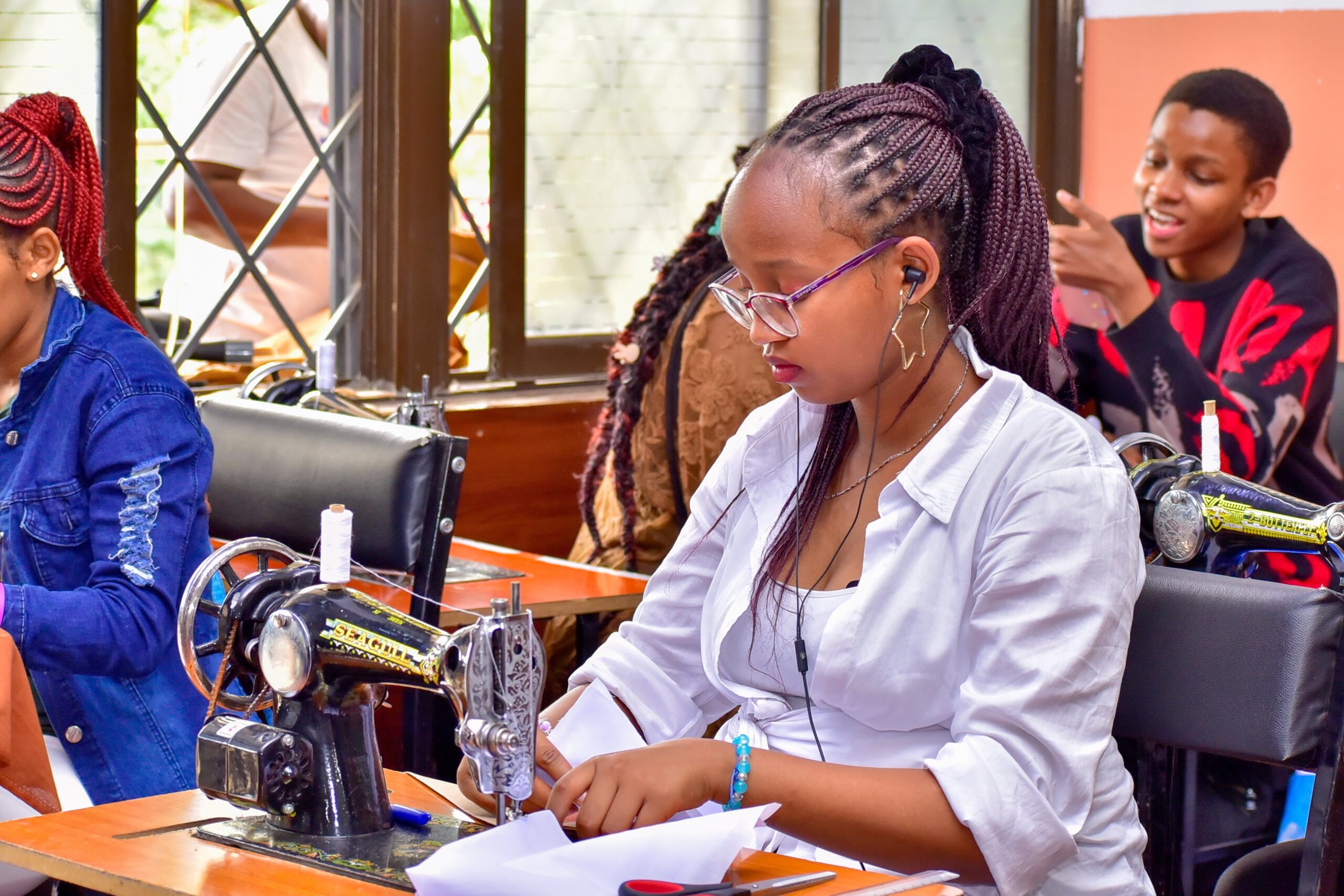
At Delight Technical College, many students in the School of Fashion and Design begin their garment construction journey with shirts. Not because shirts are easy, but because they are foundational. Learning how to make a shirt trains the eye, the hands, and the mind to think like a fashion professional.
This article walks you through how to make a shirt in a clear, narrative-driven, beginner-friendly way. It does not overload you with technical detail, but it gives you enough understanding to appreciate the full process from fabric selection to final finishing. Along the way, we connect this essential skill to the training offered at Delight Technical College’s School of Fashion and Design, where students turn everyday garments into lifelong careers.
Why the Shirt Is a Core Garment in Fashion Training
The shirt is one of the most universal garments in the world. It crosses age, gender, profession, and culture. From school uniforms and corporate wear to casual and designer pieces, shirts are everywhere.
Because of this, shirts play a central role in fashion and tailoring education. At Delight Technical College, shirts are used to teach:
- Accurate measurement and fit
- Pattern understanding and layout
- Structured garment construction
- Precision sewing
- Professional finishing techniques
A well-made shirt reflects discipline. It shows whether a designer understands balance, alignment, and detail. That is why mastering shirts builds strong confidence in fashion students.
Understanding What a Shirt Is
A shirt is typically a structured upper garment featuring:
- A collar or neckline finish
- Sleeves (short or long)
- A front opening or placket
- Defined shoulder and armhole structure
Unlike looser garments, shirts require accuracy. Small errors in measurement or alignment can easily be noticed. This makes the shirt an excellent learning garment for beginners.
Students at Delight Technical College learn that understanding garment structure is just as important as learning how to sew.
Step One: Choosing the Right Fabric for a Shirt
Fabric choice sets the tone for the entire shirt. Beginners are encouraged to work with fabrics that are stable and easy to manage.
Common beginner-friendly shirt fabrics include:
- Cotton
- Cotton blends
- Lightweight chambray
- Poplin
These fabrics are breathable, hold shape well, and respond predictably to stitching.
At Delight Technical College, students are taught fabric behavior — how a fabric moves, stretches, and drapes. This knowledge ensures that a shirt not only looks good but feels comfortable when worn.
Step Two: Taking Accurate Measurements
Measurements are the foundation of a well-fitting shirt. Rushing this step often leads to disappointment later.
Key shirt measurements usually include:
- Chest or bust
- Waist
- Shoulder width
- Shirt length
- Sleeve length
- Neck measurement
Fashion students at Delight Technical College are trained to measure carefully and consistently. They learn that professional garments are built on precision, not guesswork.
Step Three: Understanding the Shirt Pattern
Shirt patterns may look complex at first, but they follow a logical structure. A basic shirt pattern usually includes:
- Front piece
- Back piece
- Sleeves
- Collar components
- Cuffs or facings
At Delight Technical College, students learn how to read patterns gradually, understanding what each piece represents and how it contributes to the final garment.
This step develops garment visualization — the ability to see the finished shirt before it is sewn.
Step Four: Preparing and Cutting the Fabric
Cutting fabric is a decisive step. Accuracy here saves time and prevents mistakes later.
Proper cutting involves:
- Laying fabric correctly on the grain
- Aligning pattern pieces carefully
- Marking essential points
- Using sharp cutting tools
Students in the School of Fashion and Design are taught that cutting is not a rushed task. It is a professional skill that determines the quality of the final shirt.
Step Five: Constructing the Shirt Step by Step
Shirt construction follows a clear sequence. While methods may vary slightly, the general process includes:
- Joining shoulder seams
- Attaching sleeves
- Sewing side seams
- Constructing the collar
- Creating the front opening or placket
- Attaching cuffs or finishing sleeves
- Hemming the shirt
For beginners, understanding the order of construction is more important than speed. At Delight Technical College, students practice this sequence repeatedly until it becomes second nature.
Step Six: The Importance of the Collar
The collar is one of the most defining features of a shirt. It frames the face and determines whether a shirt looks casual or formal.
Learning to attach a collar teaches:
- Symmetry
- Precision
- Clean finishing
Fashion instructors at Delight Technical College emphasize patience during this stage. A well-made collar elevates the entire garment.
Step Seven: Neat Finishing and Professional Standards
A shirt is not complete without proper finishing. This stage separates beginner work from professional craftsmanship.
Finishing includes:
- Neatly pressed seams
- Even stitching
- Secure buttons or closures
- Clean hems and edges
At Delight Technical College, students learn that finishing reflects professionalism. It is the final conversation between the designer and the wearer.
What Learning to Make a Shirt Teaches You
Beyond the garment itself, learning how to make a shirt builds transferable skills such as:
- Attention to detail
- Problem-solving
- Time management
- Creative confidence
Many students who master shirts go on to specialize in tailoring, fashion design, uniform production, or clothing entrepreneurship.
Fashion Education at Delight Technical College
The School of Fashion and Design at Delight Technical College provides structured, hands-on training that prepares students for real-world fashion careers.
Students benefit from:
- Practical garment construction lessons
- Industry-relevant curriculum
- Experienced instructors
- Recognized qualifications
- Exposure to fashion design, tailoring, and production
From basic garments like shirts and blouses to advanced fashion techniques, Delight equips students with skills that last.
From Learning to Creating a Career
Every professional tailor once struggled with their first shirt. What matters is guidance, practice, and the right learning environment.
At Delight Technical College, students are not just taught how to sew — they are taught how to think, design, and build with purpose.
The shirt you learn to make today could be the foundation of a tailoring business, a fashion brand, or a lifelong creative skill.
If you have ever worn a well-made shirt and wondered how it was created, now is the time to find out.
Join the School of Fashion and Design at Delight Technical College and gain the practical skills, confidence, and professional guidance needed to turn fabric into form.
Because every great fashion journey begins with understanding the basics — and the shirt is one of the most powerful places to start.