
🔧 Comparing Technical Training in Kenya and Neighboring Countries
The pursuit of Technical and Vocational Education and Training (TVET) is crucial to driving sustainable development, enhancing employment prospects, and equipping youth with practical skills. In East Africa, countries like Kenya, Uganda, Tanzania, and Rwanda have developed diverse TVET systems to meet the needs of the labor market. Below is a comparative analysis of technical training in Kenya and its neighboring countries.
🇰🇪 Kenya: Leading in Vocational and Technical Education
Kenya has positioned itself as a regional leader in TVET education, with a rapidly growing sector aimed at supporting industrialization and economic development. Here’s what sets Kenya apart:
Key Features:
- Government Commitment: The Kenyan government has made significant strides in revamping TVET through policies like Vision 2030, which emphasizes training a skilled workforce.
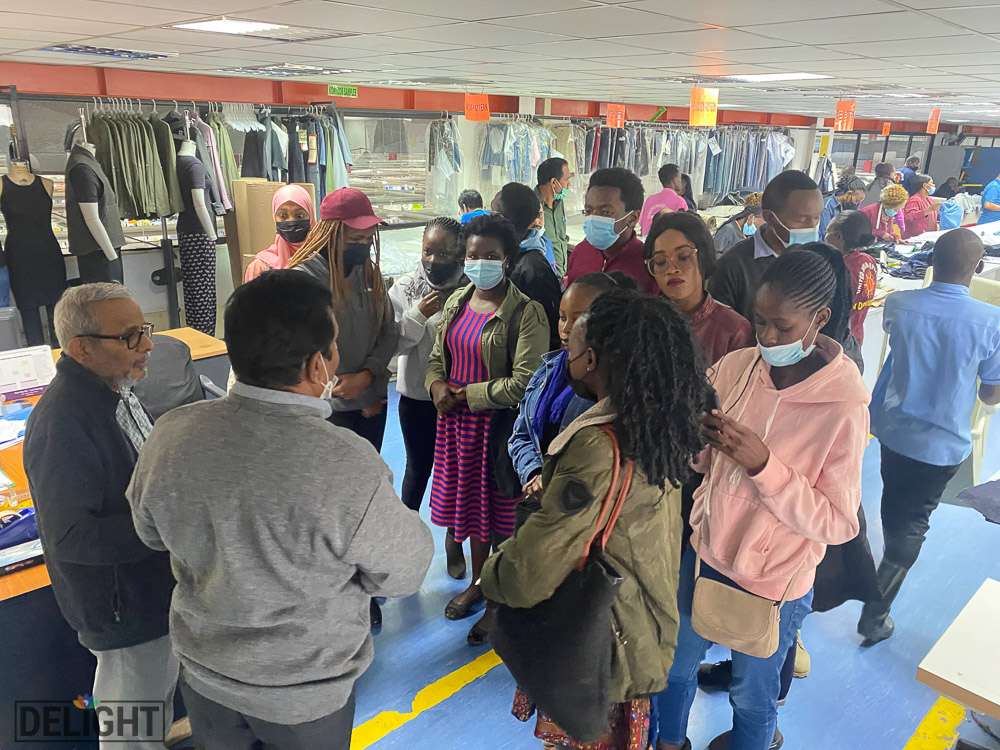
- Quality and Innovation: Kenya boasts renowned institutions like Delight Technical College and the Technical University of Kenya (TUK), which offer modern, practical, and industry-oriented programs.
- National Industrial Training Authority (NITA): NITA ensures that training programs meet high standards and align with industry needs.
- Industry Partnerships: Kenyan technical colleges have robust partnerships with industries, ensuring students receive real-world training, internships, and job placement opportunities.
Strengths:
- A strong focus on hands-on training, ensuring graduates are work-ready.
- Expanding networks of institutions offering specialized courses like ICT, automotive engineering, and hospitality.
🇺🇬 Uganda: Expanding TVET Access
Uganda has made significant strides in promoting technical training, particularly in sectors like agriculture, construction, and manufacturing. However, there are still some challenges in scaling quality and access to all students.
Key Features:
- Government Initiatives: The Ugandan government has been actively working to enhance TVET access through the Uganda National Council for Higher Education (UNCHE) and Uganda Business and Technical Examinations Board (UBTEB).
- TVET Reform: New reforms are aiming to integrate skills training more comprehensively into the education system.
- Vocational Schools and Polytechnics: The number of vocational institutions is growing, especially in rural areas.
Strengths:
- Focus on practical training for sectors like agriculture and construction.
- Increasing government support for rural-based TVET to bridge the rural-urban skill gap.
Challenges:
- Limited modern facilities and teaching resources compared to Kenya.
- Quality and consistency in training can vary by region.
🇹🇿 Tanzania: Strengthening Technical Skills Development
Tanzania is also making strides in technical training, with a focus on empowering youth for sectors like construction, mining, and tourism.
Key Features:
- Government Policies: Tanzania’s government has put in place policies to encourage private-public partnerships in education and to improve technical skills training through the National Council for Technical Education (NACTE).
- Emerging Industries: The booming mining, energy, and tourism sectors have increased demand for skilled labor, which TVET institutions are trying to match.
- Public and Private Institutions: Tanzania has a blend of public and private TVET institutions, offering a variety of training in trades, engineering, and technology.
Strengths:
- Strong focus on emerging industries, particularly mining and energy.
- A steady increase in international collaboration and exposure.
Challenges:
- Limited resources in some rural areas hinder access to quality TVET training.
- Some institutions lack the latest technology and training equipment.
🇷🇼 Rwanda: Advancing Skills for Development
Rwanda’s education system has placed a strong emphasis on TVET as a means of poverty reduction and economic transformation, especially in the context of the country’s post-genocide rebuilding efforts.
Key Features:
- Government Focus on TVET: Rwanda’s government has heavily invested in TVET as a way to improve skilled labor and entrepreneurship.
- National TVET Policy: The Rwandan government’s TVET policy aims to ensure that the education system aligns with labor market needs.
- Private Sector Involvement: The Rwandan government has partnered with private sector organizations and development partners to strengthen the country’s TVET institutions.
Strengths:
- High focus on entrepreneurship and innovation in TVET programs.
- Strong government policy and collaboration with private companies for skills development.
Challenges:
- Limited diversity of specialized programs, especially in high-tech sectors.
- Some institutions still face challenges with modern infrastructure and resources.
🔎 Comparison of Key Areas
| Aspect | Kenya | Uganda | Tanzania | Rwanda |
| Government Support | High, with Vision 2030 initiative | Growing, with recent reforms | Moderate, with emerging policies | High, with strong TVET policies |
| Institutional Quality | High, with world-class institutions | Developing, but some institutions struggle | Varies by region, with new improvements | Emerging but focused on entrepreneurship |
| Focus Areas | ICT, engineering, hospitality | Agriculture, construction, manufacturing | Mining, construction, tourism | Entrepreneurship, ICT, skills for development |
| Industry Collaboration | Strong, with many partnerships | Developing, with some private sector involvement | Growing, especially in mining and energy | Strong, with private sector involvement |
| Facilities & Resources | Advanced in urban areas, growing in rural | Limited in some regions | Limited in rural areas | Improving, but infrastructure challenges remain |
| Rural vs Urban Access | Strong urban access, improving rural | Increasing rural access | Limited access in rural areas | Strong rural focus with government support |
✅ Conclusion: Kenya’s Regional Advantage
While Uganda, Tanzania, and Rwanda are making notable strides in TVET development, Kenya currently holds a regional advantage in terms of institutional quality, industry partnerships, and the availability of modern resources. The country’s strong focus on innovation and its positioning as an East African hub for business and technology make it an attractive destination for students seeking high-quality technical training. Kenya’s efforts in enhancing TVET standards, combined with its dynamic labor market and growing entrepreneurial ecosystem, make it the leading destination for technical training in East Africa.

You may also like

Help Us Sponsor 50 Students in 2027