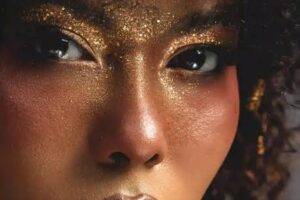

How to Build a Fashion Business in Kenya
Every day on the streets of Nairobi and in the bustling markets of East Africa, stories of creativity and hustle are written in textiles, colors, and crowds. You see tailors cutting fabric in small studios, designers sketching silhouettes in cafés, and young creatives dreaming of brands that will someday grace red carpets and e-commerce storefronts around the world.
But what separates those dreams from reality?
This is the journey of the fashion business in Kenya — a story of inspiration, ingenuity, innovation, and opportunity. And at the heart of this journey is education — the cornerstone that transforms passion into a profitable enterprise.
The Fashion Revolution in Kenya: More Than Just Clothing
Kenya’s fashion industry is alive. Vibrant. Full of untapped potential.
From the second-hand clothing markets (known locally as mitumba) that knit economic activity across cities and towns, to eco-fashion initiatives that merge sustainability with style, Kenyan fashion is evolving rapidly.
But for many young designers, creatives, and entrepreneurs, the question remains: how do I turn my passion for fashion into a successful business?
The answer starts with understanding the landscape — and then equipping yourself with the skills and tools to thrive within it.
Chapter 1: Why Kenya Is a Hotbed for Fashion Entrepreneurship
A Growing Market With Local Soul
Kenya’s fashion ecosystem is unique:
- Young, fashion-savvy demographic.
- Rich cultural heritage that informs design aesthetics.
- A growing middle class willing to pay for bespoke and unique apparel.
- Digital commerce opening global doors to Kenyan brands.
But while the opportunities are huge, the challenges are real: competition from cheap fast fashion imports, sizing inconsistencies, fragmented supply chains, and a need for strong branding and business discipline.
Starting a fashion business in Kenya isn’t just about design — it’s about strategy, value creation, and market positioning.
The Shift Toward Quality and Identity
Across Africa, and Kenya in particular, designers are moving away from imitating global trends to forging their own narrative — one rooted in cultural identity, craftsmanship, and relevance.
This means Kenya isn’t just a consumer of global fashion — it is becoming an originator of trends, as evidenced by the rise of Nairobi’s eco-fashion movement and designers who integrate digital tools and sustainable materials into their work.
That shift represents a massive opportunity — for those who are prepared.
Chapter 2: Starting a Fashion Business in Kenya — Step by Step
Starting a fashion business can feel overwhelming, especially if you’re doing it for the first time. Below is a roadmap that many successful designers and entrepreneurs follow — grounded in both practical steps and market realities.
- Clarify Your Vision: What Do You Want to Create?
Before you sew a stitch:
- Define your niche — bespoke tailoring, bridal wear, streetwear, children’s fashion, or uniforms.
- Understand your target customer — budget, style preference, values.
- Determine your brand story — what makes you different?
This early clarity will guide everything else — from design choices to pricing, marketing, and expansion.
- Gain the Right Skills — Creativity Meets Craft
Many aspiring fashion entrepreneurs overlook one fundamental truth:
Creativity alone does not build a business. Knowledge and technique do.
That includes understanding:
- Pattern development
- Garment construction
- Fabric science
- Fashion illustration
- Marketing and branding
- Running a business (finances, sales, legalities)
This is where formal training, mentorship, and hands-on experience make the difference.
A structured fashion education can dramatically shorten your learning curve and give you confidence to launch your brand. This is exactly why training institutions like Delight School of Fashion & Design exist — to provide both creative and business skill sets under one roof.
- Create a Practical Business Plan
A business plan may sound corporate, but for a fashion startup it becomes your blueprint for success. Essential sections include:
✔ Executive summary – Your vision in a paragraph
✔ Market analysis – Who are your competitors? What gaps exist?
✔ Operations plan – Where will you source fabric? Who will make your garments?
✔ Marketing strategy – Online store? Social media? Pop-ups?
✔ Financial forecasts – Startup costs, pricing strategy, break-even point
A clear plan helps you stay organized — and may attract investors or loans if needed.
- Register and Legalize Your Business
In Kenya, legal business registration adds credibility and protects your brand:
✔ Business name registration with the Registrar of Companies
✔ County business permit
✔ Tax registration (PIN, VAT if applicable)
✔ Trademark your brand name
Legal standing not only protects you — it opens doors to formal retail partnerships and government programs.
- Build Your Brand and Product Line
Before selling, you need:
✔ A visible brand identity — name, logo, vision
✔ A portfolio of designs or a sample line
✔ Professional photos and lookbooks — critical for digital marketing
✔ Pricing that reflects value, quality, and cost structure
Today, your brand story is often more valuable than the product itself. Fashion buyers want to connect with designers who have a purpose.
- Choose Your Sales Channels
Kenyan fashion entrepreneurs now sell through:
- E-commerce platforms (Shopify, Etsy)
- Instagram and TikTok shops
- Pop-ups and markets
- Boutique partnerships
- Direct-to-customer deliveries
Digital platforms make it possible to reach global customers from Nairobi — but they require digital know-how and consistent engagement.
Chapter 3: The Rewards — Why Fashion Is Worth the Risk
Every business has risks. But fashion, in Kenya’s context, offers enormous rewards if executed well.
Reward 1: Creative Freedom and Self-Expression
You can build a brand that reflects personal identity, community values, and aesthetic innovation.
Reward 2: Economic Empowerment
Fashion isn’t just art — it’s business. Successful brands hire tailors, assistants, marketers, photographers, and sales agents — creating jobs and economic growth.
Trained designers often go on to launch multiple lines, collaborate with other creatives, and unlock income streams beyond clothing (e.g., styling, consulting, e-commerce).
Reward 3: Scalability and Global Reach
A fashion business doesn’t have to be local forever.
With digital marketing and e-commerce, Kenyan designers sell to customers in London, New York, Dubai, and beyond. Classically trained designers — especially those equipped with both fashion and business knowledge — can scale faster and more sustainably.
Reward 4: Brand Legacy and Cultural Impact
African fashion is globally appreciated like never before. Kenyan designers can shape cultural narratives through style, storytelling, and brand identity.
Chapter 4: The Risks — Navigating Challenges in Fashion Business
No success story is without tension. The fashion industry — especially in emerging markets like Kenya — presents real risks:
Risk 1: Market Saturation and Competition
From affordable imports to international brands, competition is strong. New brands must innovate or offer unique value to stand out.
Risk 2: Supply Chain Instability
Fabric shortages, inconsistent quality, and fluctuating prices can impact production timelines and profitability.
Risk 3: Financial Risks
Inventory investment, equipment costs, and marketing can be expensive — especially without proper planning or cash flow management.
Risk 4: Brand Visibility Challenges
Without strong digital presence or marketing, even the best designs can go unnoticed.
Risk 5: Fast Fashion Footprint
Imported secondhand clothing and cheap fashion brands dominate many Kenyan markets, making it harder for local designers to compete on price rather than quality.
This is why training in digital marketing, brand strategy, and niche positioning is no longer optional — it’s essential.
Chapter 5: Scalability — Turning a Small Startup Into a Major Brand
Scalability is about growth without a proportional rise in cost.
Here’s how Kenyan fashion brands scale:
- From Custom Orders to Collections
Start with bespoke tailoring, then expand to seasonal collections that can be marketed and sold online.
- Digital First — E-commerce and Social Commerce
Sell via online stores and social platforms to reach national and international buyers with lower overheads.
- Collaboration and Partnerships
Partner with influencers, fashion shows, and creative hubs to boost visibility and credibility.
- Diversify Product Lines
Add accessories, bags, footwear, or home textiles — expanding your revenue streams.
- Licensing and Wholesale Deals
Sell to boutiques or retail chains — earning bulk orders and predictable income.
- Create a Fashion House or Academy
Once established, some designers expand into education, franchising, or training — building legacy brands that support others.
Chapter 6: The Role of Technology in the Modern Fashion Business
Technology isn’t just helpful — it is now integral to fashion entrepreneurship:
✔ Digital Design Tools – Software like Adobe Illustrator and CAD for fashion allows professional sketches and prototypes.
✔ E-commerce Platforms – Shopify, WooCommerce, and social media shops turn followers into customers.
✔ Social Media Marketing – Instagram, TikTok, and Pinterest build brand awareness.
✔ AI Trends Forecasting – AI tools help predict colors, silhouettes, and consumer preferences.
✔ Digital Wallets & Payments – M-Pesa and online payments enable seamless sales across Kenya and beyond.
Embracing technology not only boosts efficiency — it dramatically expands your market potential.
Chapter 7: Education Is the Difference — Why Training Matters
At the intersection of creativity and business success lies education. Aspiring designers who invest in skills development are far more likely to build sustainable businesses.
Delight School of Fashion & Design: Where Passion Meets Professionalism
If you’re serious about launching a fashion brand — not just a hobby — education becomes your foundation.
Delight School of Fashion & Design stands out in Kenya’s fashion education landscape for several reasons:
Comprehensive Curriculum
Delight doesn’t just teach sewing — it provides training in:
- Fashion sketching and illustration
- Textile science and material selection
- Garment construction and tailoring
- Trend forecasting and digital fashion design
- Branding, marketing, and business fundamentals
Hands-On Experience
Students work with real equipment, including industry sewing machines, pattern drafting tools, and design software like Adobe Illustrator.
Industry Connections and Internships
Delight connects students with fashion houses, industry professionals, and events — helping portfolios get noticed and careers launched.
Sustainability and Innovation
The curriculum includes sustainable fashion practices — a growing trend among global fashion leaders.
Alumni Success
Graduates from Delight are now:
- CEO of boutique fashion houses
- Celebrity stylists
- Brand owners with global online storefronts
- Fashion photographers and content creators
Prime Location
Located in Central Nairobi — close to textile markets, fashion suppliers, and creative hubs — Delight creates an ecosystem where learning and business opportunities flourish.
Chapter 8: Tales of Transformation — Real Success Stories
Education transforms lives. Here are examples of how training helped turn dreams into businesses:
- A graduate built a plus-size fashion brand serving an underserved market.
- Another became a sought-after stylist working with celebrities.
- Others branched into fashion photography, branding, and digital content creation — diversifying income streams.
These stories prove one thing: a fashion business isn’t just about garments — it’s about impact.
Conclusion: Your Journey Starts Here — With Purpose, Skill, and Strategy
The fashion business in Kenya is more than an economic opportunity — it’s a canvas for cultural expression, innovation, and sustainable entrepreneurship.
But success doesn’t come from passion alone. It comes from preparation, education, and an entrepreneurial mindset.
If you’re ready to take your creativity to the next level and build a brand that resonates — on the streets of Nairobi, and around the world — then you need the right foundation.
There’s no better place to start than Delight School of Fashion & Design — where creativity meets business strategy, and dreams turn into brands.
Enroll today at Delight School of Fashion & Design and become part of Kenya’s next generation of fashion entrepreneurs. Visit delight.ac.ke to apply or learn more, and take your first step toward launching a scalable, sustainable fashion business.